
MPC Wallets vs. Private Keys: Future Security Architecture for Corporate Digital Assets
As the digital asset marketplace matures, enterprises are increasingly embedding blockchain technology into their core operations. From corporate treasury management and cross-chain stablecoin settlements to decentralized financial services and Web3 infrastructure development, the demand for secure, scalable, and highly programmatic wallet architectures has broken historical records. However, enterprises face asset management challenges that are far […]
Non-Custodial Wallets and MPC Self-Custody: Redefining Digital Asset Ownership

As blockchain technology approaches mainstream adoption, a foundational question remains central to every user and enterprise: Who ultimately controls your digital assets? The traditional financial system gives a clear answer: banks and custodians hold the assets, while users hold an unsecured balance sheet liability. Conversely, the early promise of the crypto ecosystem was absolute digital […]
Complete Guide to Private Key Security: Non-Custodial Wallets and MPC Self-Custody

As blockchain technology becomes deeply integrated into global financial systems, a foundational question has emerged for individual and institutional market participants alike: Who ultimately controls your digital assets? Systemic vulnerabilities within centralized exchanges, liquidity contractions, and arbitrary asset freezes serve as continuous reminders that outsourcing custody means forfeiting ownership. Non-custodial wallets and Multi-Party Computation (MPC) […]
Non-Custodial Wallets vs. MPC Self-Custody: Redefining Autonomous Control and Security Frameworks for Digital Assets

As the digital asset ecosystem scales and institutional participation deepens, the paradigms governing asset ownership, structural security, and programmatic control are undergoing a foundational alignment. True ownership of digital assets is no longer defined by simple balances displayed on a ledger, but by the cryptographic custody architecture governing those assets. In the Web3 era, the […]
Securing Decentralized Identity with Web3 Wallets and Multi-Party Computation
As the blockchain ecosystem transitions from simple asset transfers to sophisticated DeFi protocols, DAO governance, and on-chain identity systems, the primary gateway for user interaction—the Web3 wallet—is undergoing a profound paradigm shift. The traditional model, reliant on seed phrases and single private keys, has long forced a compromise between user convenience and robust security. The […]
Next-Gen Infrastructure: How MPC Is Redefining Web3 Wallet Security
As decentralized finance, NFTs, and on-chain dApp ecosystems experience massive growth, Web3 wallets have evolved from a niche technical tool into the main entry point for hundreds of millions of users entering the blockchain world. However, as the user base expands, structural challenges around private key management, user experience, and transaction safety have become highly […]
Web3 Wallets and Multi-Party Computation: Building the Next Generation of Digital Asset Security

As blockchain networks evolve, Web3 is moving rapidly from a technical concept into mainstream adoption. From basic asset trading to decentralized finance (DeFi), on-chain identity frameworks, and digital collectible management, users interact with blockchain ecosystems more frequently than ever before. In this expanding space, the Web3 wallet has become the primary gateway connecting users to […]
Rewriting the Rules of Digital Asset Ownership: Hardware Wallets vs. Non-Custodial MPC
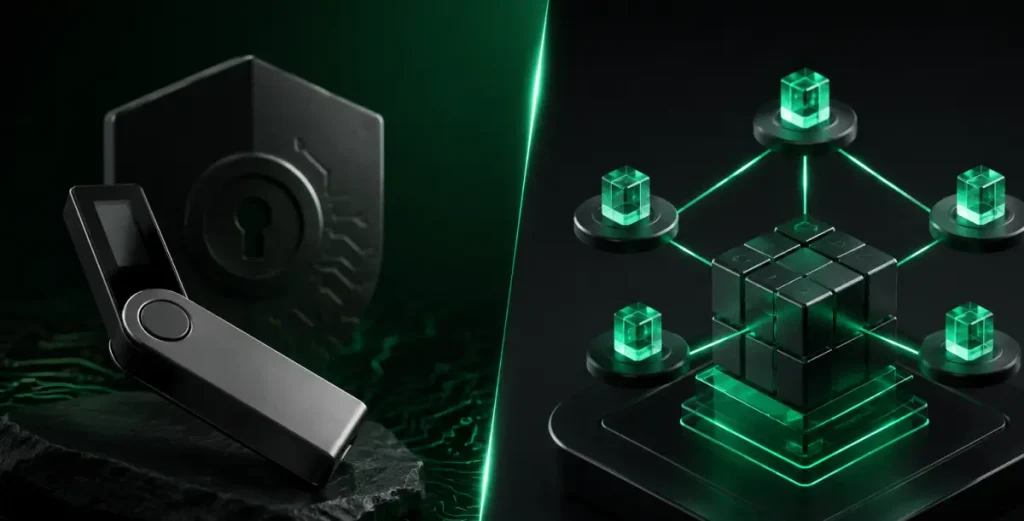
As market participants take personal title to their digital wealth, discovering the best way to isolate private keys and authorize transactions without central intermediaries has become a baseline operational requirement. Over the past decade, air-gapped hardware wallets have been widely accepted as the ultimate offline vaults. At the same time, non-custodial Multi-Party Computation (MPC) wallets […]
Securing Your Digital Assets: The Ultimate Guide to Hardware Wallets and Non-Custodial MPC
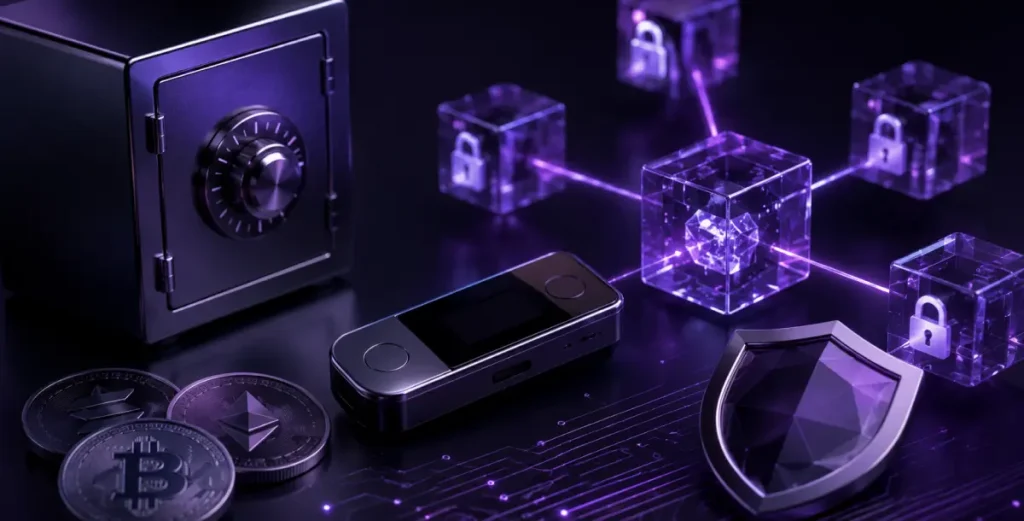
As digital asset management becomes increasingly critical, securing private keys and retaining full control over capital is a fundamental challenge for every holder. Hardware wallets (cold storage) and non-custodial Multi-Party Computation (MPC) wallets are currently the two most prominent self-custody options on the market. This guide breaks down how both architectures work, evaluates their operational […]
Hardware Wallets and Non-Custodial MPC: The Dual Pillars of Digital Asset Security
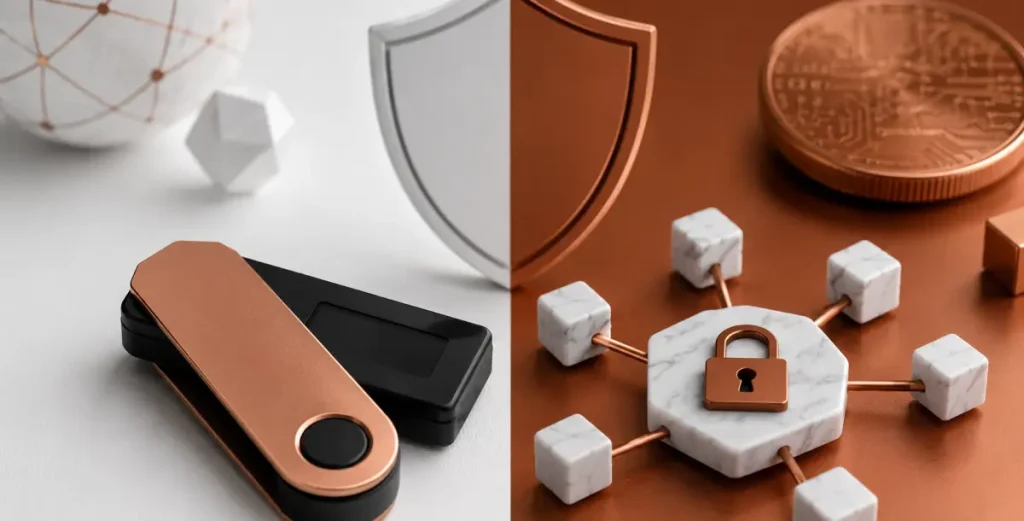
As the digital asset market expands, capital preservation has become a top priority for individual investors, Web3 enterprises, and institutional participants alike. Whether holding assets for the long term or actively interacting with decentralized finance (DeFi), non-fungible tokens (NFTs), and cross-chain protocols, wallet security serves as the baseline for all operations. Among the various protective […]